THE HISTORY OF SCOTTISH DANCE
A Traditional Cultural Heritage of Scotland
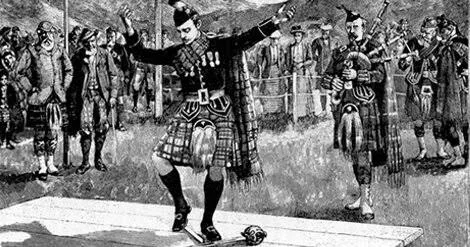
1. The Origins of Scottish Dance
Scottish dance is one of the oldest and most important cultural traditions of Scotland, a country located in the northern part of the United Kingdom.
Its origins are closely connected to the Gaelic people, Highland communities, ancient customs, celebrations, and warrior traditions.
In the past, traditional dances were performed during festivals, weddings, harvest celebrations, community gatherings, and victory celebrations after battles.
Scottish dance is famous for its energetic footwork, graceful movements, high jumps, and traditional music played on bagpipes.
2. Types of Traditional Scottish Dance
There are several famous styles of traditional Scottish dance:
A. Highland Fling
The Highland Fling is one of the most famous Scottish dances. It is traditionally performed by a solo dancer using quick footwork, graceful movements, and impressive jumps.
B. Sword Dance
The Sword Dance is a traditional dance in which performers dance around or between two crossed swords placed on the ground. It is associated with ancient Highland warrior traditions.
C. Sean Triubhas
Sean Triubhas is a traditional Highland dance. Its name comes from Scottish Gaelic and refers to old trousers. The dance features distinctive leg movements and rhythmic steps.
D. Scottish Country Dance
Scottish Country Dance is a social dance performed by couples or groups. It became popular at social gatherings, celebrations, and community events.
3. Scottish Dance in the 18th and 19th Centuries
During the 18th century, Scottish traditional dancing became increasingly popular in social gatherings, aristocratic celebrations, and village festivals.
However, after the Jacobite uprising of 1745, the British government introduced the Act of Proscription in 1747, which restricted Highland dress and certain aspects of Highland culture.
The restrictions were repealed in 1782.
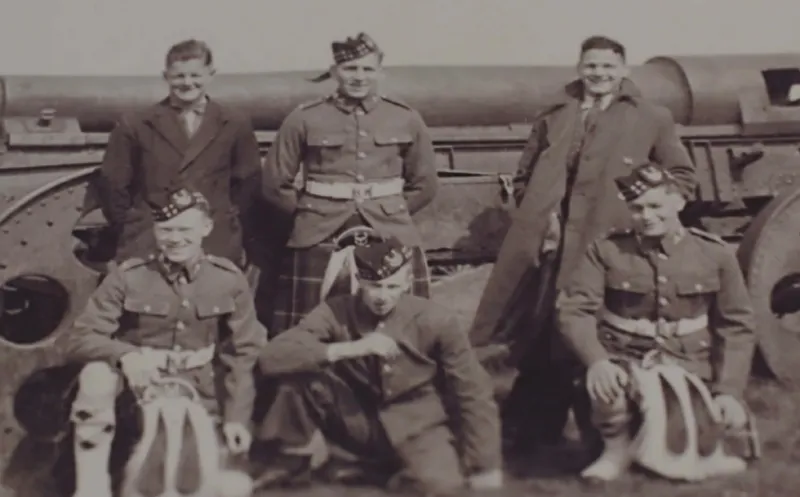
During the 19th century, Scottish Highland culture experienced a revival. Traditional dancing, bagpipe music, kilts, and Highland Games became important symbols of Scottish national identity.
4. Traditional Scottish Dance Music
Traditional Scottish dances are usually accompanied by traditional musical instruments, including:
Great Highland Bagpipes.
Scottish Fiddle (Violin).
Accordion.
Traditional Drums.
Bagpipe music is one of the most recognizable symbols of Scottish cultural heritage.
5. The Establishment of the Scottish Country Dance Society in 1923
An important milestone in preserving Scottish dance traditions occurred in 1923.
Jean Milligan and Ysobel Stewart founded the Scottish Country Dance Society in Glasgow, Scotland.
The organization was established to preserve traditional Scottish dances, collect historical dance records, and promote Scottish dance education.
It later became known as the Royal Scottish Country Dance Society (RSCDS).
6. Scottish Dance in Modern Times
Today, Scottish traditional dancing remains an important part of Scotland's cultural identity.
It is performed at:
Highland Games.
Scottish cultural festivals.
National celebrations.
Weddings and social gatherings.
International cultural events.
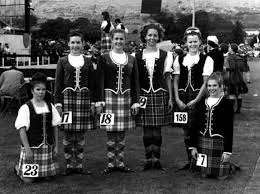
Traditional dance competitions.
Scottish dance has also spread to many countries, including the United States, Canada, Australia, and New Zealand.
7. Cultural Significance of Scottish Dance
Scottish dance is more than just entertainment. It represents the history, traditions, courage, unity, and cultural pride of the Scottish people.
Through generations, these dances have preserved the spirit of Scotland and continue to connect modern society with its historical roots.
"Scottish Dance: A Living Tradition of History, Culture, and National Identity."
-Source : Historic UK, ScotDancer USA, Scotland Shop, Sottiesh Country Dancing Dictionary, Electric Scotland